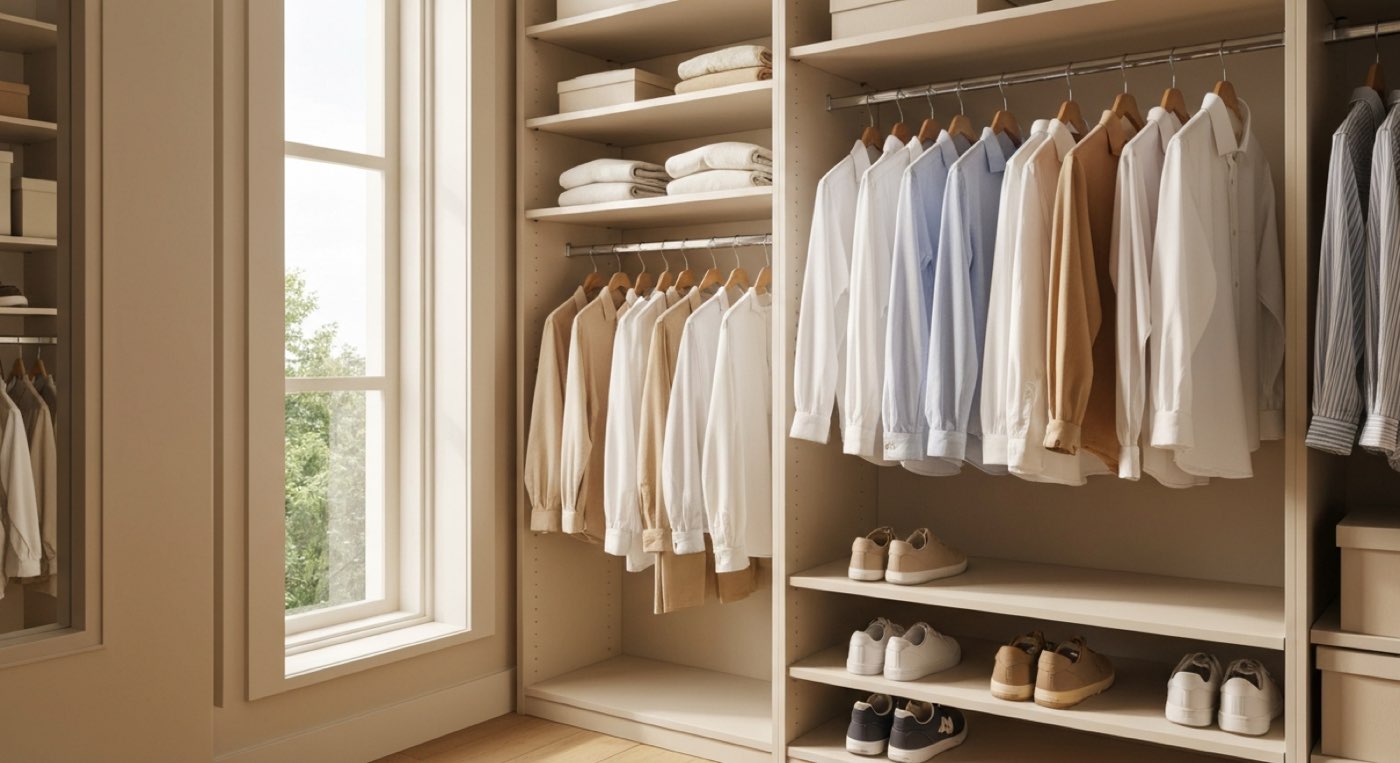
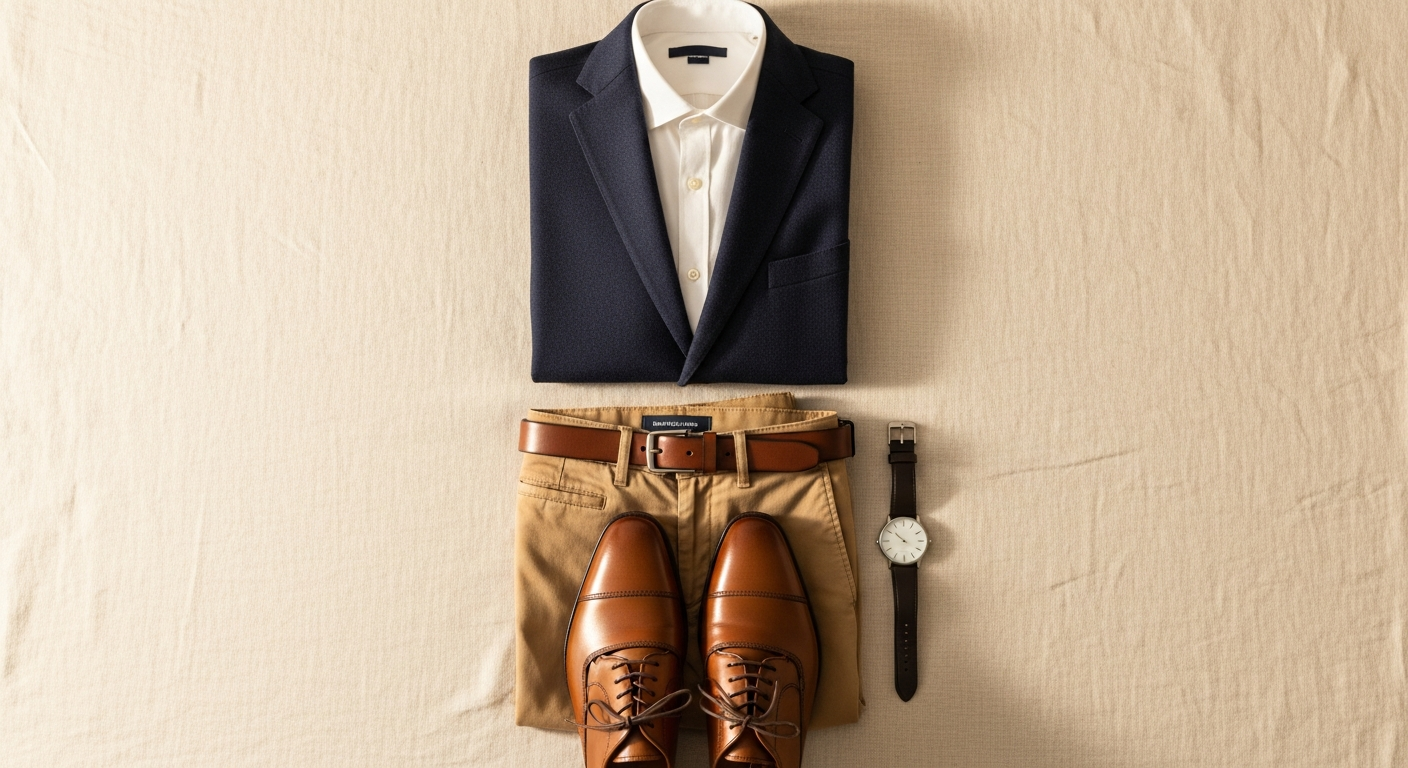
If you own 30 items of clothing, there are over 24,000 possible three-piece outfit combinations. You wear about 12 of them. On repeat. Forever.
Not your fault. That's just how brains work. And it's exactly why AI is weirdly good at this particular problem.
This is the research behind Grayne. We built it on exactly these principles.
The Familiarity Trap
Your brain is an efficiency machine. It likes patterns, routines, and known quantities. When you open your closet, you don't see 30 items. You see the five or six combos your brain has already validated as "safe." Everything else might as well be invisible.
Psychologists call this the mere exposure effect. You prefer things you've seen before. Which means the outfits you wear most become the outfits you like most, regardless of whether they're actually your best options.
What AI Sees That You Don't
An algorithm doesn't have a comfort zone. It evaluates every item in your wardrobe equally and scores combinations based on actual compatibility: color theory, pattern mixing rules, occasion appropriateness, seasonal context, and style principles.
It might suggest pairing that olive bomber jacket you forgot about with the navy chinos you only wear to work and the white sneakers you only wear on weekends. You'd never think to combine those contexts. But the outfit works.
AI doesn't get bored, doesn't play favorites, and doesn't default to "whatever's on top of the pile." It sees your full wardrobe every time.
Want a free men's style guide?
We put together a 20-piece capsule wardrobe guide with every essential, why it works, and how to combine them into dozens of outfits. Yours free when you join the Grayne waitlist.
GET THE FREE GUIDEIt's Not About Replacing Your Taste
Good AI styling isn't about overriding your preferences. It's about expanding them. Think of it like a music recommendation engine. Spotify doesn't tell you to stop liking what you like. It finds things you didn't know you'd like based on patterns in what you already enjoy.
Same idea with clothes. An AI trained on style principles and your personal wardrobe can surface combinations that feel like you - just a version of you that uses 100% of your closet instead of 20%.
The Practical Case
Beyond novelty, there's a real utility argument:
- You stop buying duplicates. When you can actually see what you own being used in new ways, you stop feeling like you "need" that fourth navy shirt.
- Mornings get faster. Decision paralysis is real. Having a ready-made suggestion waiting eliminates the daily closet stare.
- You dress more appropriately. Weather, calendar events, dress codes: AI can factor in context you'd normally forget.
- Your clothes last longer. Rotating through your full wardrobe means less wear on your favorites.
Where This Is Going
We're building Grayne around this exact idea. Take a photo of your wardrobe, and AI handles the rest: cataloging, combining, suggesting. You just pick the outfit and go.
It's not about making fashion people out of non-fashion people. It's about making the clothes you already own work harder, so you don't have to.